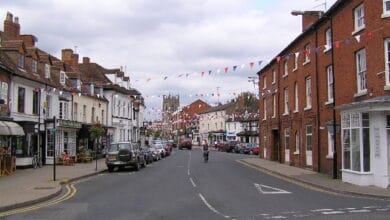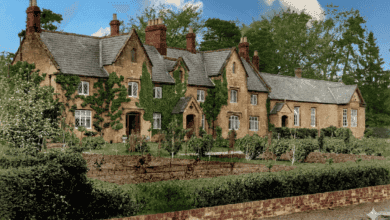
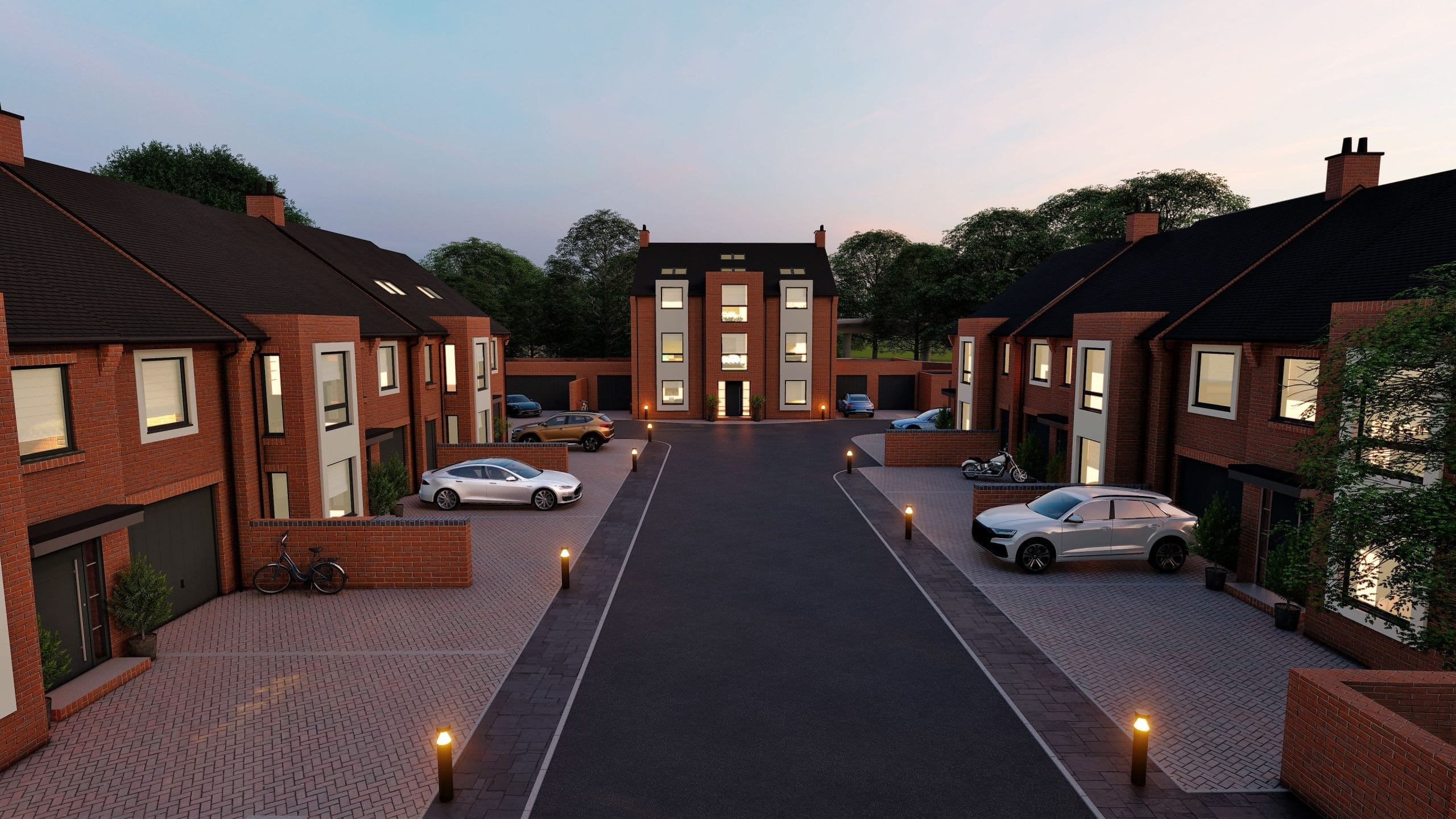
Residents of a tiny Old Town cul-de-sac have won permission to install retractable bollards across their private road after councillors agreed it was the “least worst” option in a row over traffic, turning space and fears of “gated living”.
The council’s planning committee approved the scheme for Yeomanry Mews, just off New Broad Street, by 7 votes to 3 with one abstention, following a strongly argued debate and around 42 written objections from nearby streets.
“Whichever way we go, we’re not going to be popular,” councillor Trevor Harvey said.
Private road at the centre of a big row
Residents of Yeomanry Mews had applied for three retractable bollards across the entrance to their private road, which currently serves as an informal turning area at the end of New Broad Street.
They told councillors that:
- Yeomanry Mews is a privately owned road which residents pay to maintain.
- Drivers on the school run, Scout Hut visitors and general traffic are routinely using their hammerhead and even individual driveways to turn around.
- This regular trespass was causing disturbance, safety concerns and damage to the road surface.
Crucially, the applicants already hold a lawful development certificate for full gates across the entrance. Their case to the committee was that the real choice was not “nothing vs bollards” – but “bollards vs gates”.
They argued that retractable bollards were a more inclusive compromise, allowing agreed neighbours, refuse lorries and emergency services to continue using the space to turn via fobs and access codes, rather than shutting the road off completely.
Objections over traffic, turning and ‘gated’ feel
Most of the objections came from surrounding streets rather than from within Yeomanry Mews. Local residents raised several concerns, including:
- Loss of the informal turning space at the end of New Broad Street.
- Knock-on impacts to school drop-offs and traffic to the Scout Hut.
- Fears that the scheme would give the area a “gated community” feel and weaken community cohesion.
Some objectors also criticised the look of the proposed infrastructure, warning that bollards at the end of a historic street in the Old Town would feel more like “industrial estate” hardware than something in keeping with the conservation area.
They argued that pushing turning traffic back onto New Broad Street would worsen congestion and safety, particularly at busy times.
Bollards vs gates: councillors pick the ‘least worst’ option
Planning officers reminded councillors that Yeomanry Mews sits inside the conservation area, but advised that the visual impact of the bollards would be neutral, with no significant harm identified.
They also confirmed a number of key operational details:
- The bollards will include LED “crowns”, making them visible at night.
- There will be no beeping alarms or noise alerts when the bollards operate.
- Emergency services and refuse vehicles will be provided with access codes or fobs.
- Residents of Yeomanry Mews will be responsible for managing day-to-day access.
During the debate, members repeatedly came back to the existing fallback of full gates, which could be installed without further planning permission. Faced with that reality, a majority concluded that retractable bollards were the “least worst” outcome – preserving some turning access while recognising residents’ rights over their private road.
In the end, the committee voted to approve the application with conditions, accepting that whatever they decided, the decision was bound to upset someone – whether it was residents of Yeomanry Mews or their Old Town neighbours.