Why are unpopular developments getting the green light in our rural villages? A recent decision in Claverdon has shone a spotlight on a technical deficit that is tying the hands of Stratford-on-Avon District Council.
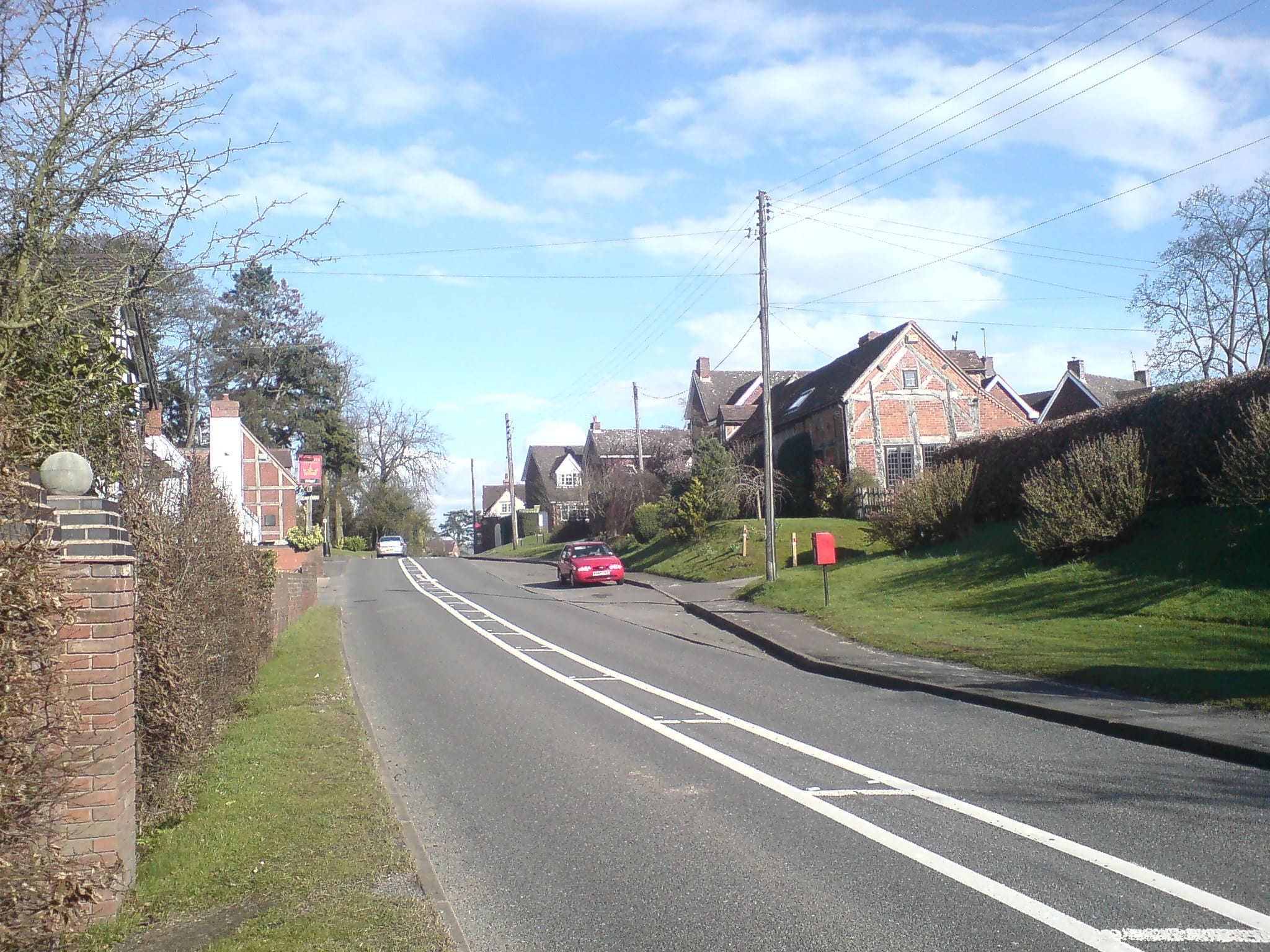
In a marathon planning session that ran late into the night, the committee faced a contentious application for 10 St. Michael’s Road in Claverdon. The proposal? To squeeze a new two-bedroom bungalow into the rear garden of an existing property.
The Battle for the Garden
On paper, it was a modest application. But on the ground, it sparked fierce opposition. The Parish Council and immediate neighbours objected strongly, arguing that the new build would cause a loss of amenity and threaten a protected TPO oak tree.
Residents painted a picture of a quiet, rural sanctuary being encroached upon. One neighbour, Mr Pratt, shared moving photographs of his well-tended garden and fruit trees—a space cultivated over 20 years—arguing that the new structure would destroy his privacy and threaten the root systems of the boundary hedge.
In fact, a similar application for this exact site had been refused previously. So, why was this one approved?
The “Tilted Balance”
While the developer had made tweaks to the design (moving the footprint slightly to protect tree roots), the deciding factor wasn’t just architecture—it was bureaucracy.
The Planning Officer’s report highlighted a critical issue: Stratford District Council currently cannot demonstrate a “5-Year Housing Land Supply.”
Because the District is falling short on its housing targets, the National Planning Policy Framework (NPPF) effectively flips the script. Instead of the developer needing to prove why they should build, the Council must prove that the harm of the building significantly and demonstrably outweighs the benefits.
A Reluctant Approval
During the debate, the frustration in the room was palpable. Councillor after councillor expressed deep sympathy for the neighbours. One member noted, “I have full sympathy for Mr and Mrs Pratt… but unfortunately, I couldn’t see a material planning reason to refuse it.”
With the technical evidence showing the tree would likely survive and the layout meeting minimum spacing standards, the “tilted balance” forced their hand. The committee voted unanimously to approve the application.
The Takeaway for Stratford Villages
This decision serves as a stark warning to other communities in the district. While Neighbourhood Plans and local objections are important, the district-wide failure to meet housing land supply targets has become a “trump card” for developers.
Until Stratford District Council can restore its 5-year supply, stopping infill developments—even unpopular ones—is going to be an uphill battle.