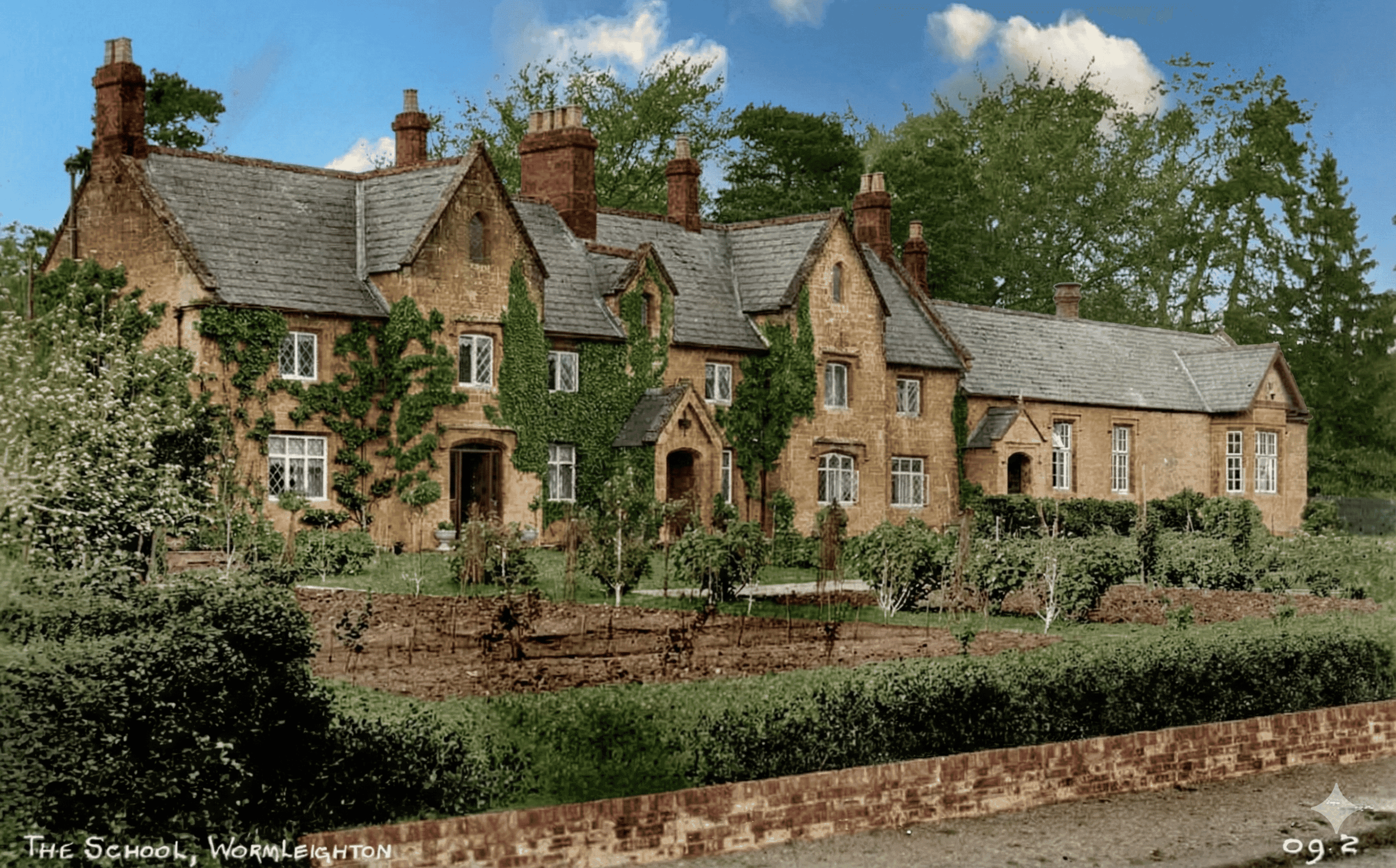
A historic piece of South Warwickshire’s educational heritage is set for a new chapter, under plans submitted by one of Britain’s most prominent aristocratic families. Planning officers at Stratford-on-Avon District Council have received an application to convert the redundant “Old School” in Wormleighton into a residential dwelling.
While the conversion of Victorian schoolhouses is a common trend across the Cotswolds and Warwickshire, this application stands out due to the name on the paperwork: “The 8th Earl Spencer Family Settlement.”
The Aristocratic Connection
The application links the property directly to the ancestral estate of Charles Spencer, the 9th Earl Spencer and brother of the late Princess Diana. While the family is most famously associated with Althorp House in Northamptonshire, their connection to Wormleighton is arguably deeper and more historic.
The Spencer family has owned land in Wormleighton since 1506. It was here, among the rolling hills and sheep pastures, that the family originally amassed the vast wealth that would eventually build their political and social dynasty. The village remains largely part of the estate today, retaining a timeless, untouched quality that sets it apart from neighboring villages. The “8th Earl Spencer Family Settlement” is the trust mechanism often used to manage these historic assets.
The Proposal
The building in question is the former village school (CV47 2XG), a characterful structure that has stood as a focal point for the small community for generations. However, like many rural village schools, it has ceased to be viable for educational use and has been deemed redundant.
The proposal seeks to convert the existing structure into a two-bedroom dwelling. Because the building is historically significant, the estate has submitted two applications: one for Full Planning Permission and another for Listed Building Consent (LBC).
The plans aim to preserve the architectural integrity of the school. The challenge with such conversions is often retaining the “school-like” atmosphere—typically characterized by high windows and large, open halls—while creating a comfortable, segmented living space. The architects intend to minimize external changes to ensure the building continues to contribute to the visual harmony of the estate village.
Saving Heritage or Losing Amenities?
This application touches on a wider rural issue: the loss of community assets. As village populations change and modernize, former hubs like schools, chapels, and post offices are increasingly being repurposed for housing.
For the Earl Spencer Estate, the move is likely a pragmatic one. To preserve the fabric of a listed building, it must have a viable economic use. By turning the redundant school into a home, the estate ensures the building is maintained for the next century, keeping the Spencer legacy in Wormleighton intact, albeit in a strictly residential capacity.
The Council is expected to make a decision on the applications later this year following a public consultation period.