The Chancellor has sat down, the Red Box is closed, and the numbers for 2026 are finally confirmed.
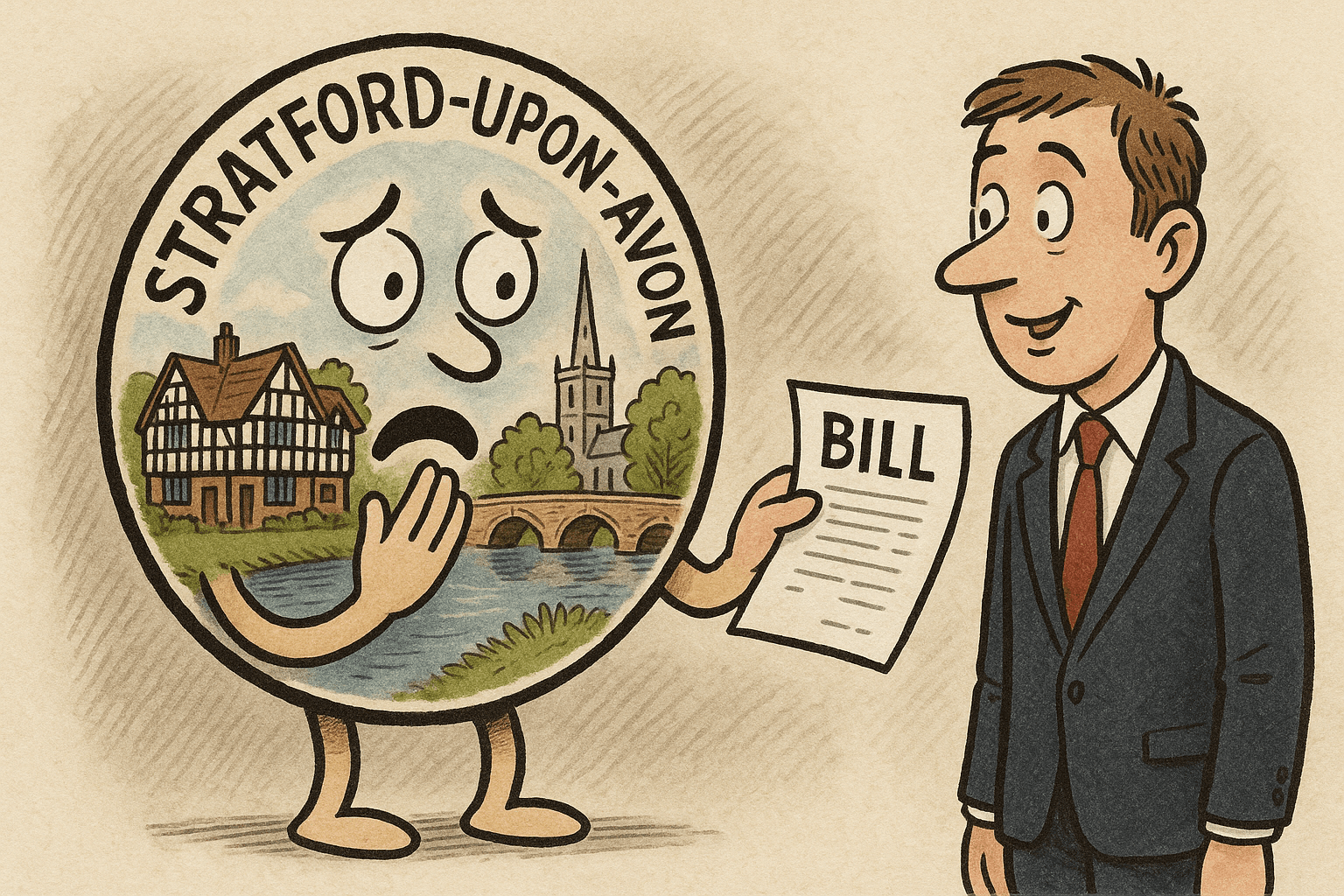
Today, Rachel Reeves delivered an Autumn Budget pitched as a “cost of living” rescue package. But for Stratford-upon-Avon – a town defined by tourism, hospitality, and heritage – the devil is in the detail. While there is help for energy bills and commuters, the sting comes from a confirmed hike in wages and a tax freeze that will drag more local earners into higher brackets.
Here is exactly how today’s announcements will hit Stratford in 2026.
1. The Hospitality Hit: Living Wage Hits £12.71
The biggest news for our High Street is the confirmation that the National Living Wage will rise by 4.1% to £12.71 per hour from April 2026.
The Impact on Stratford:
Our town’s economy runs on cafes, hotels, and retail. For independent business owners on Henley Street and Sheep Street, this adds significantly to the payroll.
- Over 21s: Rate rises to £12.71.
- 18-20s: A steep 8.5% jump to £10.85 per hour.
While this is a welcome boost for workers facing high rents in the District, it places huge pressure on small businesses already juggling high energy costs.
Did You Know?
This wage rise roughly aligns with the forecast from the Low Pay Commission, but for a full-time worker in Stratford, it means an annual pay rise of roughly £900. That’s money that will hopefully be spent back in the local economy.
2. The “Stealth Tax” Continues to 2031
The Chancellor confirmed that Income Tax and National Insurance thresholds will remain frozen until 2031.
What this means for you:
This is the Fiscal Drag As your wages rise with inflation (including the new minimum wage boost), you aren’t just earning more – you’re crossing into tax bands that haven’t moved.
For middle-income families in Stratford, this effectively eats up the benefit of any pay rise, pulling more residents into the 40% tax bracket than ever before.
3. Relief for Bills & Commuters
It wasn’t all tightening. The Budget included specific measures to lower daily costs, which will be welcomed in the area.
- Energy Bills Cut: The Chancellor announced the removal of certain green levies, which she claims will cut average energy bills by £150 from April. For residents in Stratford’s older, draughty period homes, this is a tangible saving.
- Rail Fares Frozen: In a surprise move, regulated rail fares in England will be frozen for 2026. For those commuting from Stratford Station to Birmingham or Leamington, the annual price hike has been cancelled. They are already very high, however.
- Fuel Duty: The 5p cut has been kept, freezing fuel duty until at least September 2026 – essential for our rural district where cars are a necessity, not a luxury.
4. The Two-Child Limit Scrapped
A major policy change confirmed today is the scrapping of the two-child benefit limit from April 2026.
This will lift thousands of children out of poverty nationally. In Stratford District, where the cost of living is higher than the national average, this provides a vital safety net for larger families who have been struggling with rising food prices.
Did You Know?
Census 2021 data indicates there are over 2,000 households in the Stratford-on-Avon district with three or more dependent children. While not all of these families claim benefits, the policy change means that if they ever face financial hardship, the safety net will now cover all their children, not just the first two.
*Figures are estimated based on Census household composition data.
5. The “Mansion Tax” Surcharge
The Budget introduced a High Value Council Tax Surcharge for properties worth over £2 million.
While this won’t affect the majority of terraced homes in town, it will land on the doorsteps of the Golden Triangle villages surrounding Stratford. Combined with the District Council’s existing plan to charge double Council Tax on second homes, the cost of owning high-value property in Shakespeare’s county is going up.
The Verdict
The 2025 Budget is a “give with one hand, take with the other” affair. You will pay less for your train ticket and energy bill, but the business you work for is paying more to employ you, and the government is taking a larger slice of your pay packet in hidden taxes.